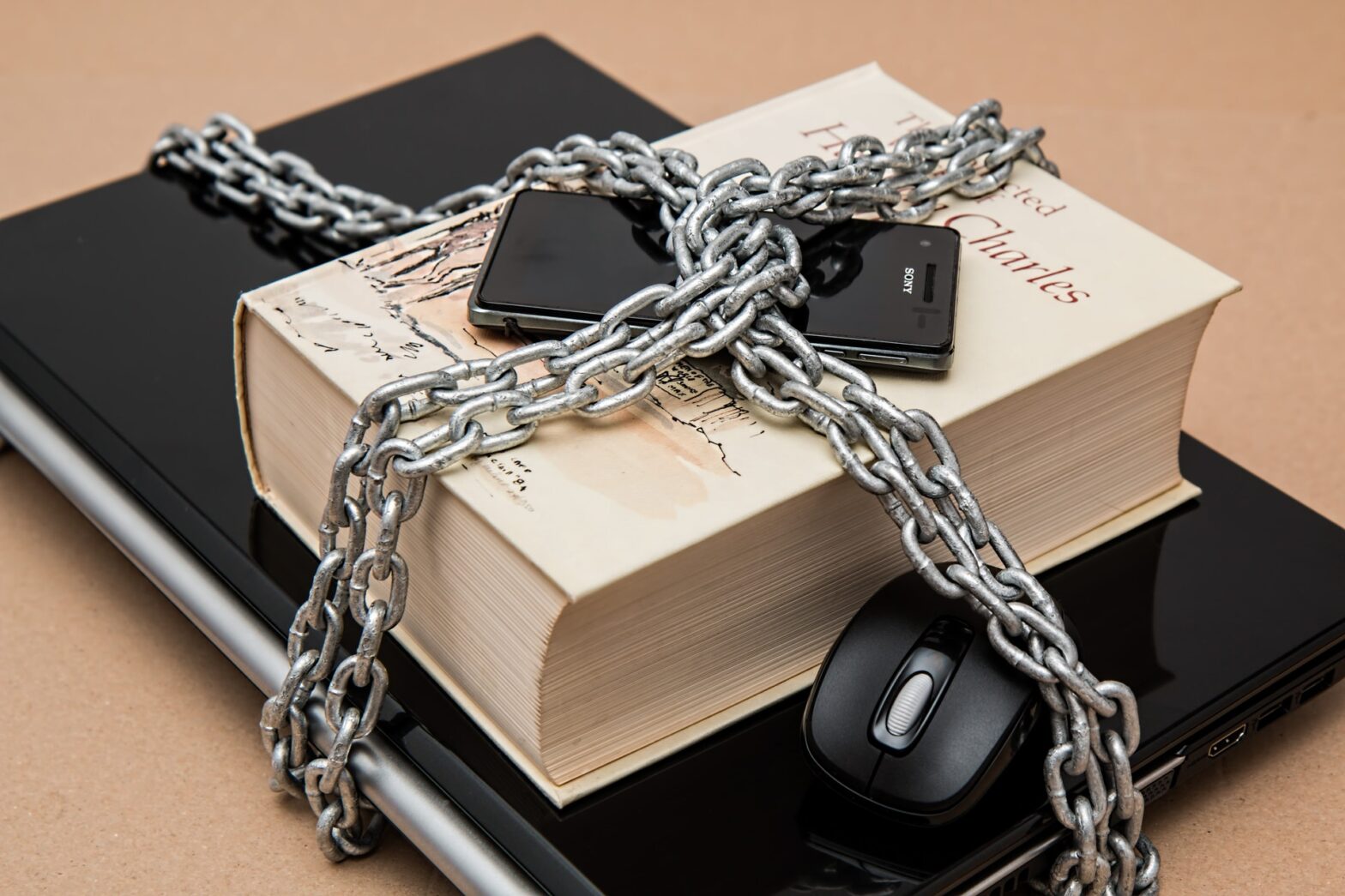
A ransomware attack happens when an attacker encrypts data stored in your device using malware. The attacker then tries to make you pay the ransom for the key to decrypt your files.
According to the Ransomware Report of 2021 by Cognyte, over 1,000 organizations were affected by Ransomware in 2020. That number doubled in 2021, with almost 55% of the victims located within the USA.
Ransomware attacks are on the rise, but implementing good practices at your workplace can minimize the risk of an attack significantly. Keep reading to find 3 things you can do to prevent ransomware attacks.
Learn to spot phishing attempts
Phishing is the practice of sending fraudulent e-mails making them seem legitimate. Phishing attempts are not always stopped by spam filters and contain one or more links to websites or malware designed to steal your data.
Hackers use social engineering techniques to disguise their e-mails as legitimate. For example, faking e-mail addresses to make it appear like the message comes from someone within your company. Learning to identify these fraudulent e-mails is crucial to stop malware from infiltrating your devices.
Scan all incoming email for viruses
E-mail is the most common way for attackers to bypass an organization’s security. Using an antivirus solution to scan all incoming e-mails for malware is another important step that you can take towards avoiding ransomware.
No antivirus is perfect, and that’s why it’s essential to keep your antivirus updated and to keep an eye on the reports generated by this software.
Use a firewall with a focus on securityUse a firewall with a focus on security
A firewall is a device or software with the purpose of controlling all the incoming and outgoing connections in your network.
A good firewall will protect your devices by preventing any malicious or unnecessary traffic from getting into your network, while allowing a normal flow of outgoing traffic.
Restricting your network’s communications using a whitelist of allowed websites is a great way to prevent any uninvited guests from stealing your data.
Bonus: Keep up-to-date backupsBonus: Keep up-to-date backups
Even if you follow all the prevention measures to avoid a ransomware attack, you only need one person making a mistake at any given time to end with your data stolen and encrypted. That’s why it’s essential to keep updated backups of your most important information at all times.
The more recent the backup, the better. Creating weekly, or even daily backups, can turn a ransomware attack from a nightmare into a minor inconvenience.
Keeping recent backups in a secure location is one of the best tools you have to overcome a ransomware attack without a monetary loss.
Conclusion
In 2021, CNA Financial paid a $40 million ransom after a ransomware attack. In the same year, the average payout after getting infected by ransomware was $170,404. Ransomware attacks have been proven a very successful technique for hackers who target vulnerable organizations.
While avoiding ransomware attacks when managing a business can be difficult, keeping good practices at your workplace can minimize the risk substantially. Being prepared with up-to-date backups of all your critical data can also be the difference between successfully recovering from an attack or having to pay thousands of dollars for a chance to decrypt your files.